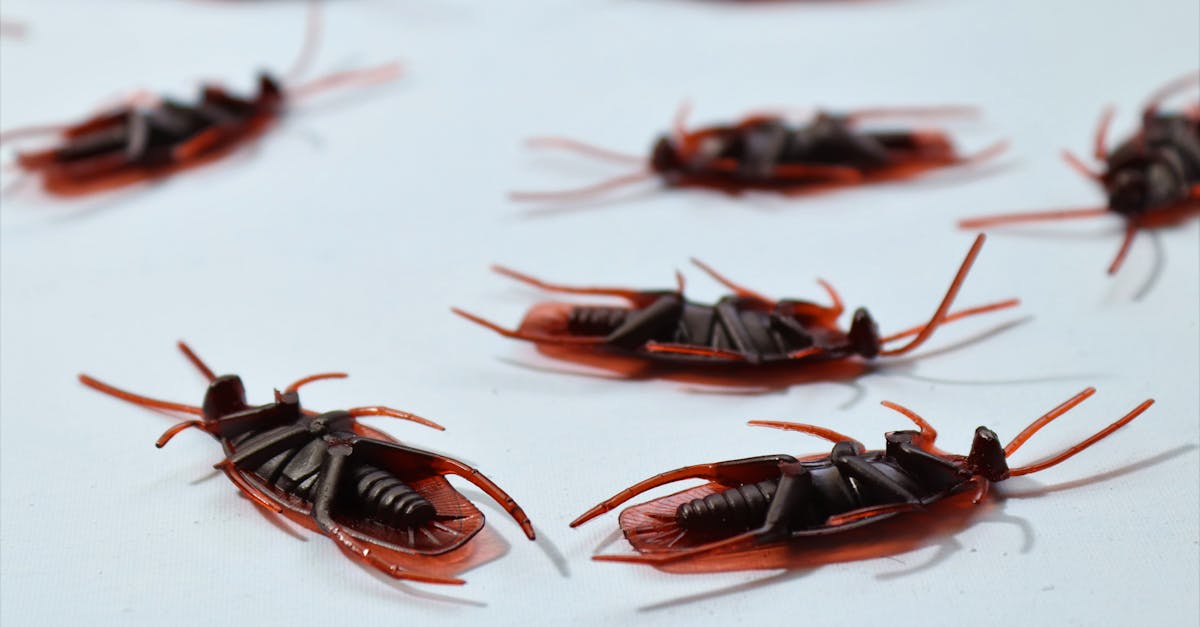
Summer Surges: Managing Increased Pest Activity in Warm Weather
Table Of Contents
When to Call in the Professionals
Pest problems can escalate quickly, particularly during warmer months when many species breed in abundance. Homeowners should consider contacting professionals when they notice significant infestations or persistent issues that do not respond to do-it-yourself measures. Indicators such as excessive droppings, structural damage, or the presence of nests inside or near the home suggest that intervention is necessary. Ignoring these signals can lead to increased damage and health risks, making prompt action advisable.
Another compelling reason to seek professional help is the potential for pest-related diseases. Certain pests, like rodents and mosquitoes, can carry harmful pathogens that pose risks to human health. If there are concerns about disease transmission or if family members exhibit unexplained allergic reactions, professional assessment is essential. Experts can accurately identify the species involved, assess the scale of the problem, and implement effective strategies to manage the pests safely and thoroughly.
Indicators That Require Expert Intervention
A sudden increase in pest sightings can signal a larger infestation that may overwhelm standard home remedies. Homeowners should be alert to unusual signs, such as droppings, nests, or structural damage, which often indicate that pests have established a stronghold in or around the property. When these indicators become apparent, it is prudent to consult pest control professionals who can provide a thorough assessment and address the issue effectively.
Persistent pest problems despite the use of over-the-counter treatments can also necessitate expert intervention. If the chosen methods fail to yield results within a reasonable timeframe, it might suggest that the pest species is resistant or that the infestation is more extensive than initially perceived. Professional pest controllers have access to specialised tools and techniques that ensure a comprehensive approach to both eradication and future prevention, making them vital for optimal results.
Safe Pest Control Products
Selecting the right pest control products is crucial for maintaining a safe environment within and around your home. Many commercial pest control solutions contain harsh chemicals that can pose risks to both human and animal health. Fortunately, the market offers a range of safer alternatives. These options include bio-based pesticides derived from natural sources, as well as insecticidal soaps and diatomaceous earth. It's important to check labels thoroughly to ensure that the products are suitable for indoor use and to verify their effectiveness against the specific pests you're dealing with.
When considering pest control, taking a more holistic approach can enhance the safety and effectiveness of your efforts. Integrated Pest Management (IPM) strategies focus on combining various methods, including cultural, biological, and mechanical controls alongside safe chemical options. Preventative measures, such as sealing entry points, removing debris, and maintaining your garden, can significantly reduce pest populations. By utilising non-toxic pest control products and adopting an IPM approach, you can protect your home without compromising the health of your family and the environment.
Choosing Non-Toxic Options for Your Home
Opting for non-toxic pest control solutions is essential for maintaining a safe environment, especially in households with children and pets. Many traditional pesticides contain harmful chemicals that can pose health risks. By selecting alternatives made from natural ingredients, homeowners can effectively manage pest issues while safeguarding their family’s wellbeing. Products labelled as organic or eco-friendly often utilise plant-based compounds that deter pests without exposing occupants to the harsh effects of synthetic chemicals.
It is important to assess the effectiveness and safety of the chosen products before use. A range of options exists, including diatomaceous earth, essential oils, and boric acid. Each of these choices offers unique benefits, often targeting specific pests. Researching the application methods and potential impacts on beneficial insects will help ensure that these non-toxic strategies contribute positively to overall pest management in the home.
The Role of Landscaping in Pest Management
Strategically designed gardens and landscapes can significantly contribute to pest control. Incorporating native plants tends to attract beneficial insects while discouraging harmful pests. Diverse plant selections provide shelter and food sources, enhancing the ecosystem's resilience. Consider using physical barriers like mulch or ground cover to deter unwanted guests. These methods create environments that promote health and vitality, reducing the likelihood of pest infestations.
The layout of your garden plays an essential role in managing pest populations. Positioning plants with strong fragrances, such as lavender or mint, near susceptible crops can act as a natural deterrent. Additionally, maintaining healthy soil through composting boosts plant immunity, making them less attractive to pests. Proper spacing between plants improves air circulation, further reducing the potential for pest-related issues. Implementing thoughtful landscaping techniques not only beautifies outdoor spaces but also establishes a balanced environment where pests are less likely to thrive.
How Your Garden Design Affects Pest Populations
The way a garden is designed can significantly influence the types of pests that are attracted. For instance, dense foliage and overgrown plants can create ideal hiding spots for insects and rodents, thus encouraging larger populations to take up residence. Additionally, improper drainage can lead to stagnant water, becoming a breeding ground for mosquitoes and other waterborne pests. Incorporating diverse plant species can help by attracting beneficial insects that prey on harmful pests, establishing a more balanced ecosystem.
Moreover, strategic placement of plants can deter unwanted visitors. Using fragrant herbs or flowers known for their pest-repellent properties can provide a natural barrier against specific pests. Creating open spaces allows for better air circulation and sunlight, making conditions less hospitable for many insects. Designing spaces for natural predators, such as birds and beneficial insects, will further help in managing pest populations effectively.
FAQS
When should I consider calling a pest control professional?
You should consider calling a pest control professional when you notice a significant increase in pest activity that you cannot manage on your own, such as large infestations, pest damage to your property, or if the pests pose health risks to your family or pets.
What are some indicators that require expert intervention for pest control?
Indicators that require expert intervention include seeing multiple pests regularly, finding nests or hives, experiencing persistent pest-related health issues, or noticing structural damage caused by pests.
Are there safe pest control products available for home use?
Yes, there are many safe pest control products available for home use. Look for non-toxic, eco-friendly options that are specifically designed to be safe for children and pets while effectively managing pest issues.
How can I choose non-toxic pest control options for my home?
To choose non-toxic pest control options, research products that are labelled as organic or environmentally friendly, check for certifications, and read reviews. You can also consult with a pest control professional about the best non-toxic solutions for your specific pest problem.
How does landscaping affect pest populations in my garden?
Landscaping can significantly affect pest populations by providing habitats and food sources for pests. Healthy garden design, including the use of native plants, proper spacing, and pest-repellent plants, can help deter pests and promote a balanced ecosystem.
Related Links
Preparing for Pest Activity: Key Times to Treat Your HomeWinter Wariness: Common Pests to Watch During the Cold Months
Tips for Keeping Ants at Bay During Early Spring
The Impact of Rainy Seasons on Pest Infestations
Managing Mosquito Populations During the Peak of Summer
Seasonal Patterns of Termite Activity on the Central Coast
Identifying Spring Pests: What to Look Out for in Your Garden
Autumn Invasion: Preparing Your Home for Seasonal Pest Migration