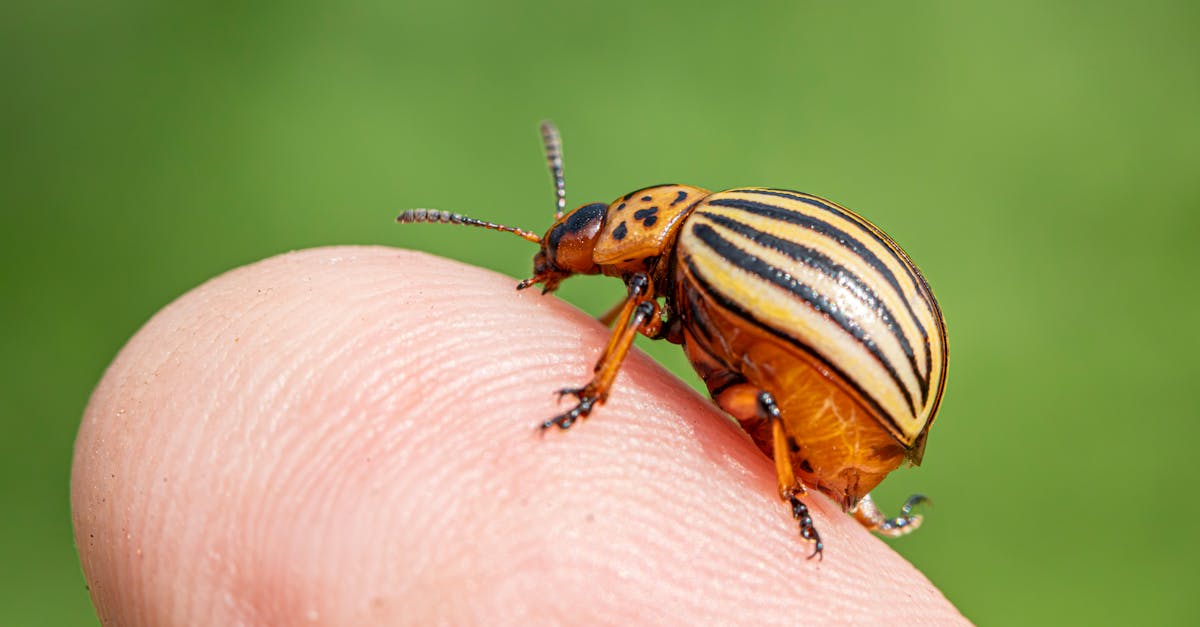
The Impact of Rainy Seasons on Pest Infestations
Table Of Contents
Prevention Strategies for Homeowners
Maintaining a clean and tidy environment is crucial for minimizing pest infestations. Homeowners should regularly remove debris, leaves, and standing water, as these can provide ideal breeding grounds for various insects. Sealing cracks and gaps in walls, windows, and doors is another effective measure, as it prevents pests from entering the home. Properly storing food in airtight containers can also significantly reduce the attraction for pests, making the living space less inviting.
Additionally, regular inspections can be beneficial in identifying early signs of an infestation. Checking for droppings, gnaw marks, or nests can help homeowners take timely action. Implementing natural deterrents, such as essential oils or vinegar sprays, may further discourage pests from taking up residence. Educating family members about pest awareness and prevention methods fosters a proactive approach, ensuring everyone contributes to maintaining a pest-free household.
Best Practices to Minimise Pest Issues
Maintaining cleanliness around the home is crucial in preventing pest infestations. Regularly clearing away debris such as leaves and other organic matter can eliminate potential breeding grounds. Ensuring that food waste is properly managed and kept in sealed containers further diminishes the likelihood of attracting pests. Indoor spaces should be regularly cleaned to remove crumbs and spills, which can serve as food sources for unwanted invaders.
Another effective strategy involves monitoring entry points and sealing any cracks or gaps. Windows and doors should be fitted with screens to prevent insects from gaining access. Utilising weather stripping can also help in creating a barrier against pests. Regular inspections of the exterior of the home can help identify vulnerabilities, allowing for timely repairs and maintenance. By being proactive, homeowners significantly reduce the chances of pest issues developing during the rainy season.
Natural Predators and Their Role
Encouraging natural predators within gardens can significantly reduce pest populations. Various species such as ladybugs, lacewings and certain birds feed on common pests like aphids and caterpillars. By fostering an environment conducive to these beneficial insects, homeowners can help balance the ecosystem. Providing diverse plant life and minimising chemical use makes gardens more inviting to these predators.
These natural pest controllers not only help manage infestations but also promote overall garden health. Establishing habitats such as insect hotels or plantings that attract predatory species aids in their presence. Practising companion planting can also enhance biodiversity and create a thriving ecosystem. Homeowners can effectively combat pest issues while reducing reliance on synthetic pesticides.
Encouraging Beneficial Insects in Your Garden
Creating an inviting environment for beneficial insects can significantly enhance your garden's health. Planting a diverse range of flowers and herbs attracts these helpful creatures, as many are drawn to nectar and pollen sources. Consider including species like marigolds, lavender, and echinacea. These plants not only provide sustenance but also create habitats where beneficial insects feel at home. Additionally, rotating your crops and maintaining a variety of plants throughout the growing season further supports a stable ecosystem that encourages insect diversity.
Maintaining a chemical-free garden benefits both the beneficial insects and the overall plant community. Avoiding pesticides, particularly broad-spectrum varieties, protects these vital species from harm. Instead, utilise natural pest control methods such as manual removal of harmful insects or introducing habitats like insect hotels. These small structures serve as nesting locations for pollinators like bees and habitats for predatory insects, which help maintain effective control over pest populations. By fostering these beneficial relationships, your garden can flourish while remaining balanced and healthy.
Chemical Solutions for Pest Control
In the face of increased pest activity during rainy seasons, many homeowners turn to chemical solutions for pest control. These solutions often include insecticides that target specific types of pests prevalent during wet weather. When selecting a product, it is essential to consider the active ingredients and their environmental impact. Certain chemicals can harm beneficial insects and disrupt local ecosystems. A careful approach is necessary to ensure that pest control methods do not inadvertently cause more harm than good.
Proper application of chemical treatments is crucial for their effectiveness. Homeowners should follow the manufacturer's instructions diligently to avoid over-application, which can lead to resistance in pest populations. Additionally, using targeted sprays and baits rather than broad-spectrum insecticides helps limit collateral damage. Monitoring pest activity and timing applications appropriately can further enhance control strategies during the rainy season.
Evaluating the Effectiveness of Insecticides
Insecticides are a common method used by homeowners and professionals to manage pest infestations. Their effectiveness depends on various factors, including the specific pest targeted, the formulation of the insecticide, and the application technique. Some insecticides work by disrupting the nervous system of insects, while others may affect their reproductive capabilities. Understanding the life cycle of the pest can aid in selecting the right product to ensure timely intervention.
It is also crucial to assess the environmental impact of chemical control methods. Some insecticides may pose risks to non-target species, including beneficial insects and local wildlife. Regular monitoring and application according to label instructions can mitigate these risks. Additionally, combining insecticidal treatments with integrated pest management strategies can provide more sustainable solutions for controlling pest populations while preserving ecological balance.
FAQS
How does the rainy season affect pest infestations in homes?
The rainy season creates a humid environment that is ideal for many pests, such as mosquitoes and termites. Increased moisture can lead to structural damage and provide breeding grounds, making it easier for infestations to occur.
What are some effective prevention strategies for homeowners during the rainy season?
Homeowners can reduce the risk of pest infestations by sealing cracks and gaps in their homes, ensuring proper drainage, and keeping gutters clean. Regular inspections and maintenance of the property are also essential.
How can I encourage beneficial insects in my garden?
You can encourage beneficial insects by planting a diverse range of flowering plants, providing habitats such as bug hotels, and avoiding chemical pesticides that harm these helpful species. Maintaining a balanced ecosystem is key.
What are the best practices to minimise pest issues during rainy seasons?
Best practices include regularly inspecting outdoor areas for standing water, maintaining your garden's health, and storing food properly. Keeping indoor areas clean and dry also helps deter pests.
How effective are chemical solutions for controlling pests during the rainy season?
Chemical solutions can be effective, but their efficacy may be reduced by rain, which can wash away treatments. It’s important to evaluate the specific insecticide and follow application guidelines, taking care to choose products that are safe for the environment.
Related Links
Tips for Keeping Ants at Bay During Early SpringManaging Mosquito Populations During the Peak of Summer
Seasonal Patterns of Termite Activity on the Central Coast
Identifying Spring Pests: What to Look Out for in Your Garden
Autumn Invasion: Preparing Your Home for Seasonal Pest Migration
Preparing for Pest Activity: Key Times to Treat Your Home