Understanding the Importance of Regular Pest Inspections
Table Of Contents
Choosing the Right Pest Control Service
Selecting an effective pest control service involves careful consideration of several factors. Licencing and certification are crucial indicators of a company’s legitimacy and professionalism. A reputable pest control service will typically have qualified technicians trained in pest management techniques. Customer reviews can reveal the level of satisfaction previous clients have experienced. It’s also beneficial to choose a service that offers a range of solutions tailored to various pest problems.
Pricing structures vary widely among pest control providers. Transparency in quotes, along with a detailed breakdown of costs, helps in making an informed decision. Some companies may offer free inspections, which present an opportunity to gauge their expertise. Comparing services based on not just price but also quality ensures a balance between affordability and effectiveness. Trusting a service that prioritises customer education and preventative measures can lead to long-term pest management success.
Qualities to Look for in Professionals
When selecting a pest control professional, experience and training play a critical role in ensuring effective service. Look for technicians with relevant qualifications and certifications. A solid understanding of pest behaviour and the latest treatment methods indicates a professional dedicated to staying informed about industry advancements. Additionally, consider their track record with local pest issues, as familiarity with the specific challenges in your area often leads to better outcomes.
Communication skills also significantly contribute to a positive experience. Professionals should be willing to explain their methods and answer any questions you may have. Transparency about treatment plans and costs is essential, as this builds trust and sets clear expectations. A good pest control service will offer personalised solutions tailored to your needs, ensuring a comprehensive approach to pest management.
DIY vs Professional Pest Inspections
Homeowners often consider DIY pest inspections due to cost savings and the convenience of handling issues on their own. Various over-the-counter products and online resources are available, making it easier for individuals to conduct their own inspections. However, while this approach can be appealing, it may not always pinpoint underlying issues effectively. Lack of experience can lead to missed signs of infestation, which can escalate problems if not addressed promptly.
Professional pest inspectors bring expertise that significantly enhances the likelihood of identifying pest problems accurately. These trained specialists utilise advanced tools and techniques to assess properties thoroughly. Their extensive knowledge of pest behaviour and local threats often leads to a more comprehensive understanding of potential issues. Furthermore, professionals can provide tailored solutions and long-term preventive measures, ensuring a more effective approach to pest management.
When to Call in the Experts
Homeowners often face challenges with pest issues that may seem manageable at first glance. If signs of an increasing infestation become apparent, such as visible droppings, nests, or structural damage, it’s essential to consider professional intervention. DIY methods might offer temporary relief, but they often lack the expertise required to fully address the underlying problems.
Timing can be critical when dealing with pests. Seasons often affect pest behaviour and activity levels. Early detection and prompt action are vital, especially when dealing with termites or rodents. Engaging a pest control professional ensures a thorough assessment and customised solutions tailored to the specific pest threat in your area.
Common Pests Found During Inspections
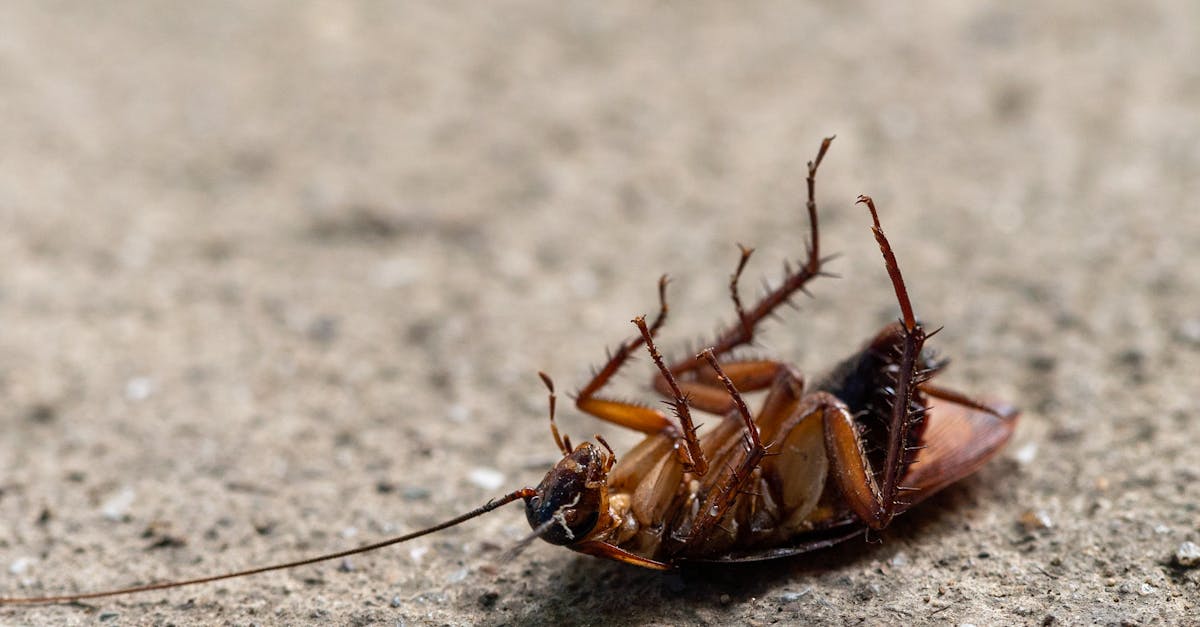
During pest inspections, several common pests are frequently identified. Cockroaches are a typical problem as they thrive in warm environments and are often found in kitchens and bathrooms. These resilient insects can contaminate food and spread diseases. Another prevalent pest is the termite, which can cause extensive structural damage if left unchecked. They feed on wood and cellulose, making homes particularly vulnerable if not regularly monitored.
Rodents, such as rats and mice, are also commonly detected during inspections. They are notorious for causing damage to property and can pose health risks through the diseases they carry. Ants, particularly in urban areas, are another frequent find, often entering homes in search of food. Identifying these pests early is crucial to prevent larger infestations and costly repairs. Understanding what to look for can aid in maintaining a pest-free environment.
Understanding Local Pest Threats
Local ecosystems greatly influence the types of pests that may invade homes in a given area. Factors like climate, vegetation, and geographical features play essential roles in pest prevalence. For instance, coastal regions may see an increase in termites and cockroaches, while areas with dense vegetation might experience higher populations of rodents and mosquitoes. Understanding these local trends helps homeowners identify potential threats before they escalate into significant infestations.
Awareness of seasonal patterns also plays a crucial role in pest management. Certain pests are more active during specific times of the year. For example, ants tend to be more problematic in the warmer months, while rodents may seek shelter indoors during the cooler seasons. By staying informed about these behavioural trends, residents can take proactive steps to safeguard their properties against potential invasions from local pest populations.
FAQS
How often should I schedule a pest inspection for my property?
It is generally recommended to have a pest inspection at least once a year. However, if you live in an area prone to pest infestations or have previously experienced issues, more frequent inspections may be necessary.
What are the benefits of hiring a professional pest control service?
Hiring a professional pest control service ensures that you receive expert knowledge, effective treatment options, and comprehensive inspections that might not be achievable through DIY methods. Professionals also have access to advanced tools and products that can safely eliminate pests.
Can I perform my own pest inspection?
Yes, you can perform your own pest inspection by looking for signs of pest activity, such as droppings, nests, or damage to property. However, professionals are trained to identify hidden problems that may not be visible to the untrained eye.
What should I do if pests are found during an inspection?
If pests are found during an inspection, it's important to follow the pest control service's recommendations. This may include treatment options, follow-up inspections, and preventative measures to avoid future infestations.
Are there specific pests that are more commonly found in Australian homes?
Yes, some of the common pests found in Australian homes include termites, cockroaches, ants, and rodents. Understanding local pest threats can help property owners take proactive measures to prevent infestations.
Related Links
Seasonal Considerations for Commercial Pest Control MaintenanceCreating a Comprehensive Pest Management Schedule for Commercial Spaces
Assessing Risks: Tailoring Your Pest Prevention Strategy
Aligning Pest Control Plans with Business Operations
Strategies for Maintaining a Pest-Free Environment in Workplaces