Understanding Australian Pest Management Legislation for Businesses
Table Of Contents
Safety Standards in Pest Management
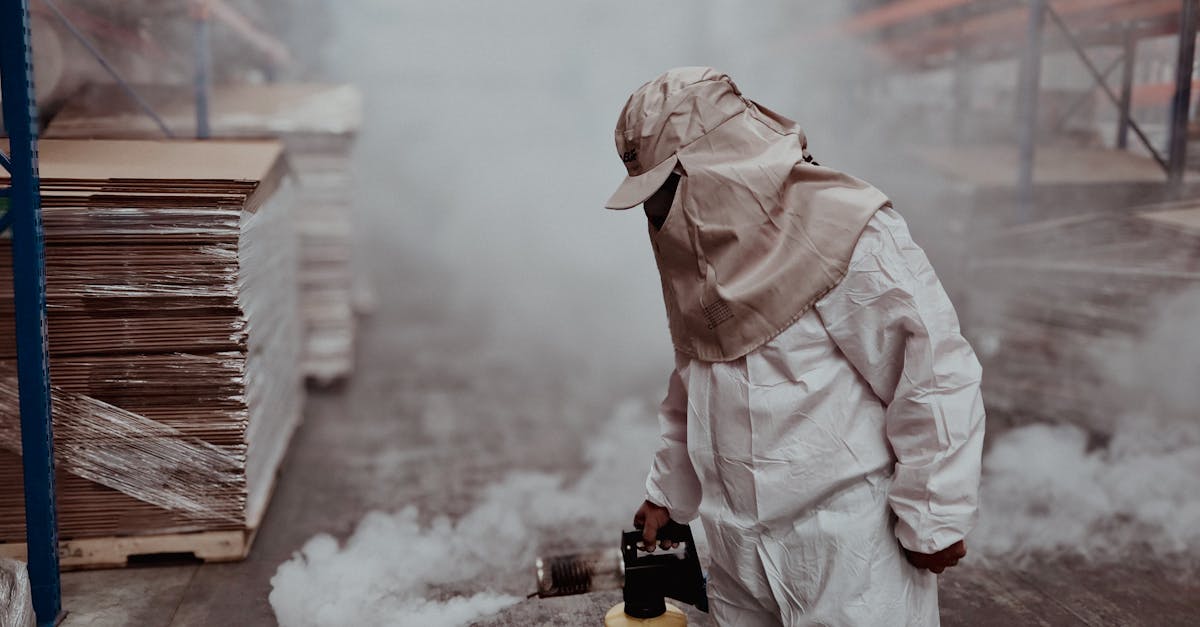
Pest management in Australia operates under stringent safety standards designed to protect both operators and the public. These standards encompass the proper use of chemicals and equipment, ensuring that pest control activities do not pose unnecessary risks. Training for pest control professionals is essential in complying with these regulations. Adherence to safety protocols can mitigate the potential for accidents and ensure that pest management practices are conducted responsibly.
Managing pests effectively while prioritising safety requires thorough risk assessments before any treatment process. Each pest control method, whether chemical or non-chemical, must be evaluated for its potential impact on human health and the environment. Businesses must stay informed about changes to legislation and adapt their practices accordingly to uphold the highest safety standards. Regular audits and assessments further reinforce safety measures and ensure continuous compliance with the evolving regulatory landscape.
Ensuring Compliance with Health and Safety Regulations
Adhering to health and safety regulations is crucial for businesses involved in pest management. Companies must ensure that all staff are adequately trained in the safe use of pesticides and other chemicals. This training should cover the correct handling, application methods and emergency procedures in the event of exposure. It is also essential to stay updated with any changes in legislation to maintain compliance.
Routine inspections and audits play a pivotal role in confirming that safety protocols are being followed. These evaluations help identify potential hazards and rectify them before they become significant issues. Additionally, businesses must foster a culture of safety within their teams. Encouraging an open dialogue about safety concerns allows for continuous improvement and reinforces the importance of health and safety in everyday operations.
Environmental Considerations
Effective pest management must take into account both immediate and long-term environmental impacts. Utilising chemical treatments can pose risks to local ecosystems, including beneficial insect populations and water sources. Businesses are encouraged to assess the potential consequences of their pest control methods to mitigate harmful effects. Integrating non-chemical solutions, such as habitat modification and biological control, can result in more sustainable outcomes while also addressing pest issues efficiently.
Regulatory frameworks are increasingly emphasising the importance of environmentally friendly practices in the pest control industry. Businesses are expected to adopt integrated pest management (IPM) strategies that prioritise prevention before resorting to chemical means. This approach not only protects the environment but also enhances the reputation of pest control companies. Stakeholders must remain informed about current regulations and best practices to ensure compliance and contribute positively to ecological preservation.
Sustainable Practices in Pest Control
Integrating sustainable practices into pest control is essential for reducing the ecological footprint of pest management activities. Utilising integrated pest management (IPM) strategies allows businesses to minimise chemical usage while effectively controlling pest populations. IPM emphasises a combination of monitoring, prevention, and targeted interventions. This holistic approach reduces reliance on pesticides, promoting natural pest predators and fostering environmental resilience.
Another key aspect of sustainable pest management is the selection of environmentally friendly products. Many modern treatments are designed to be less harmful to non-target species, including beneficial insects, pets, and humans. Additionally, adopting practices such as habitat modification and biological controls supports the long-term effectiveness of pest management efforts. By prioritising sustainability, businesses not only comply with regulatory requirements but also contribute to a healthier ecosystem.
Reporting and Record-Keeping Obligations
Effective reporting and record-keeping are crucial components of pest management for businesses in Australia. Adherence to specific legal requirements ensures that pest control activities are documented accurately. Each activity carried out, along with outcomes and evaluations, must be logged in comprehensive records. These records not only serve as a reference for future pest management strategies but also are essential in demonstrating compliance with regulations during inspections.
Maintaining accurate documentation protects businesses in the event of disputes or audits. Records should include details such as treatment methods, products used, quantities applied, and environmental conditions encountered. Moreover, businesses must retain these records for a specified duration, facilitating transparency and accountability. Up-to-date logs aid in tracking effectiveness over time, ultimately contributing to improved pest control practices and compliance with legislative expectations.
Importance of Accurate Documentation
Accurate documentation plays a crucial role in pest management, particularly for businesses required to comply with various regulations. Keeping detailed records of pest control activities not only helps monitor treatment efficacy but also provides essential proof of compliance during inspections. Clear documentation ensures that all actions taken are traceable, which proves especially important when addressing any pest-related issues that may arise in the future.
In addition to regulatory compliance, thorough record-keeping fosters effective communication between stakeholders. Documentation informs staff members about previous treatments and pest activity levels, thus enabling them to make informed decisions moving forward. It also enhances transparency for clients, reassuring them that their health and safety are priorities. Overall, accurate documentation serves as a foundational element in maintaining operational integrity within the pest management industry.
FAQS
What is the main purpose of pest management legislation in Australia?
The main purpose of pest management legislation in Australia is to ensure the safe and effective control of pests while protecting public health, the environment, and promoting sustainable practices within the industry.
What are the key safety standards businesses must follow in pest management?
Businesses must adhere to safety standards that include compliance with health and safety regulations, proper training for staff, the use of approved pest management techniques, and ensuring the safety of both clients and the environment.
How can businesses ensure compliance with health and safety regulations in pest management?
Businesses can ensure compliance by regularly reviewing and updating their practices according to current legislation, providing ongoing training for employees, and maintaining clear communication regarding safety protocols.
What sustainable practices should be considered in pest control?
Sustainable practices in pest control include the use of integrated pest management (IPM) strategies, employing eco-friendly products, minimising chemical use, and focusing on prevention methods to reduce pest problems.
Why is accurate documentation important in pest management?
Accurate documentation is crucial in pest management as it aids in compliance with legal obligations, tracks treatment effectiveness, provides a record of services rendered, and helps in identifying patterns that may indicate larger pest issues.
Related Links
Essential Compliance Guidelines for Commercial Pest ControlUnderstanding Your Obligations Under the Biosecurity Act
Training Staff on Compliance in Pest Management Practices
Best Practices for Maintaining Compliance in Pest Control Operations
Developing a Pest Control Compliance Checklist for Businesses
How to Achieve Compliance with Pest Control Standards in Retail