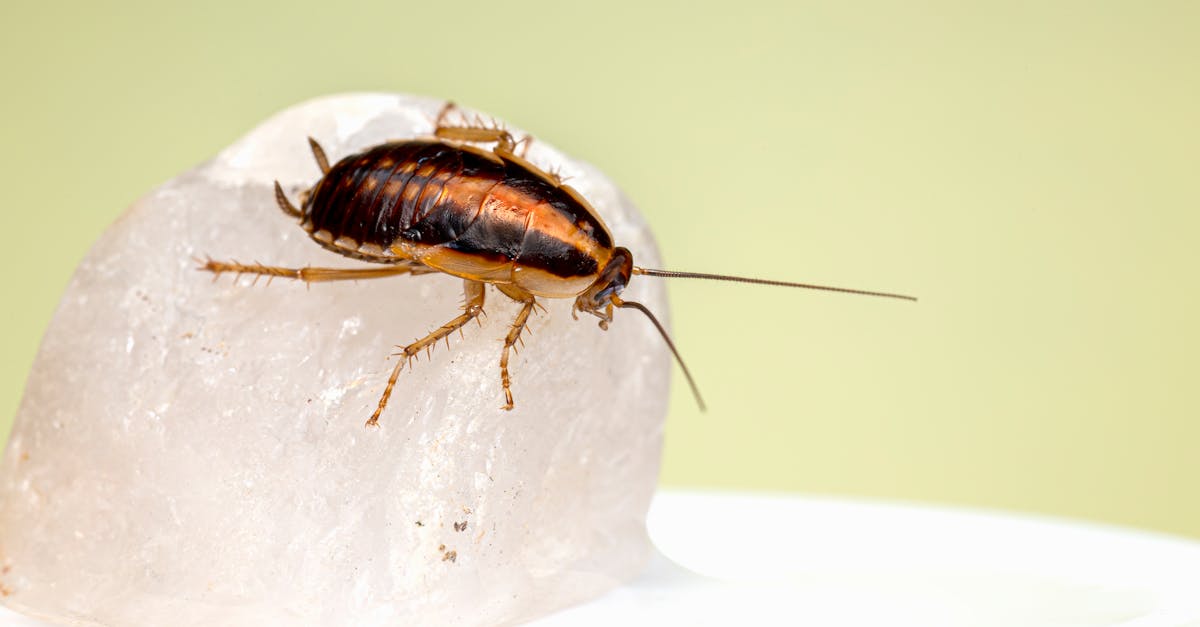
The Importance of Regular Pest Inspections in Residential Areas
Table Of Contents
Preventative Measures After Inspections
Regular inspections play a crucial role in identifying potential pest issues before they escalate. Following these inspections, homeowners can implement several preventative measures to safeguard their properties. Sealing entry points is essential, as small cracks and openings often provide easy access for pests. Additionally, maintaining a tidy living environment can deter insects and rodents. By reducing clutter and storing food in airtight containers, the chances of attracting unwanted visitors diminish.
Incorporating regular maintenance routines also contributes to long-term pest prevention. This includes monitoring gardens and outdoor spaces for signs of infestations. Keeping vegetation trimmed and ensuring proper drainage can greatly reduce pest habitats. Homeowners should remain vigilant in observing changes around their property. Establishing a routine for checking potential hotspots can help address issues before they develop into larger problems.
Strategies to Reduce Future Infestations
Identifying potential entry points is crucial in minimising the risk of pest infestations in homes. Thoroughly inspecting the exterior and interior of a property can help locate gaps, cracks, and holes. Sealing these openings effectively prevents pests from finding their way inside. Ensuring windows and doors fit snugly, and repairing or replacing damaged screens can fortify a home against unwelcome visitors.
Maintaining a clean and clutter-free environment plays a significant role in deterring pests. Regular cleaning routines, particularly in kitchens and dining areas, eliminate food residues that attract insects and rodents. Properly storing food in airtight containers can further reduce the likelihood of infestations. Additionally, managing waste effectively by using bins with tight-fitting lids will discourage pests from seeking out food sources around the home.
DIY Pest Control vs. Professional Services
Homeowners often choose DIY pest control as a cost-effective alternative. Many products are available at local hardware stores, enabling individuals to tackle infestations on their own. This option may seem convenient, especially for minor pest problems. It also allows for immediate action without waiting for a professional. A proactive homeowner can consult online resources and guides to identify pests and apply suitable treatments.
On the other hand, professional pest control services bring expertise and specialised knowledge to the table. Trained technicians understand pest behaviour and biology, allowing them to target infestations more effectively. They also have access to products that may not be available to the general public, which can yield faster and more reliable results. Moreover, professionals can assess potential vulnerabilities in a property and provide tailored solutions to mitigate future risks. While this approach typically involves a higher upfront cost, the long-term benefits often justify the investment.
Pros and Cons of Each Approach
DIY pest control offers several advantages, particularly in terms of cost savings and accessibility. Homeowners can easily purchase pest control products from local shops or online, allowing them to address minor infestations without the need for professional assistance. Many DIY solutions are eco-friendly, appealing to those concerned about chemical use in their living spaces. It also provides the opportunity for homeowners to learn about their pest issues firsthand, fostering a greater sense of control over their environment.
On the other hand, professional pest control services bring expertise and experience that most homeowners lack. Trained technicians can accurately identify pest types and sources, utilising advanced techniques and products that may not be available to the general public. This often results in more effective and long-lasting solutions to pest problems. However, the cost of hiring professionals can be a significant drawback, especially for those on a tight budget. There's also the potential for homeowners to feel less involved in the process, which can lead to a disconnect in understanding pest habits and preventive measures.
Environmental Considerations in Pest Management
Pest management practices increasingly prioritise environmental health. Integrated Pest Management (IPM) techniques incorporate ecological principles. These methods assess pest populations and their interactions with the environment. By using a combination of biological, cultural, and chemical strategies, IPM aims to minimise harmful impacts while effectively controlling pests. This holistic approach not only targets immediate issues but also promotes long-term sustainability.
Sustainable practices in pest control include utilising non-toxic substances and naturally occurring predators. Emphasising preventative measures can significantly reduce reliance on chemicals. Homeowners can enhance their gardens' biodiversity, encouraging beneficial insects. Implementing routine inspections and maintenance also helps identify potential problems early, reducing the need for drastic interventions. Such strategies align with broader environmental goals and help maintain a healthy ecosystem.
Sustainable Practices for Pest Control
Incorporating sustainable practices into pest control methods is essential for minimising environmental impact while effectively managing pest populations. Approaches such as habitat manipulation can create an environment less conducive to pest infestations. Encouraging natural predators, like birds and beneficial insects, can also provide a balance in the ecosystem. This not only reduces reliance on chemical pesticides but also promotes biodiversity in residential areas.
Utilising organic pest control solutions can further enhance sustainability. Products made from natural ingredients, such as diatomaceous earth or neem oil, can be effective against various pests while being less harmful to the environment. Homeowners can implement integrated pest management (IPM) techniques, combining multiple strategies for better results. Educating residents on responsible waste management and proper sanitation practices can also play a critical role in reducing pest attraction without resorting to harmful chemicals.
FAQS
How often should I schedule pest inspections for my home?
It is generally recommended to have pest inspections conducted at least once a year, but more frequent inspections may be necessary if you live in areas prone to infestations or if you have a history of pest problems.
What are the benefits of regular pest inspections?
Regular pest inspections help identify potential infestations early, preventing larger outbreaks and costly damage. They also provide peace of mind knowing that your home is being monitored for pests.
Can I perform pest inspections myself?
While DIY inspections can be helpful, they may not be as thorough as those conducted by professionals. Trained pest control experts have the knowledge and tools to identify signs of infestation that may go unnoticed.
What are some preventative measures I can take after pest inspections?
After an inspection, it’s important to seal any cracks or openings in your home, maintain cleanliness, reduce moisture levels, and consider implementing traps or baits to deter pests.
How do environmental considerations play a role in pest management?
Environmental considerations are crucial in pest management as they focus on sustainable practices that reduce chemical usage and minimise harm to beneficial species and ecosystems. It is important to choose pest control methods that are environmentally friendly where possible.
Related Links
Comparing Pest Control Packages for HomeownersQuestions to Ask Before Hiring Pest Control Services
What to Expect During a Professional Pest Treatment
Evaluating the Efficacy of Different Pest Control Methods
The Cost Factors of Professional Pest Control Services
The Role of Technology in Modern Pest Control Services
How to Identify Qualified Pest Control Technicians