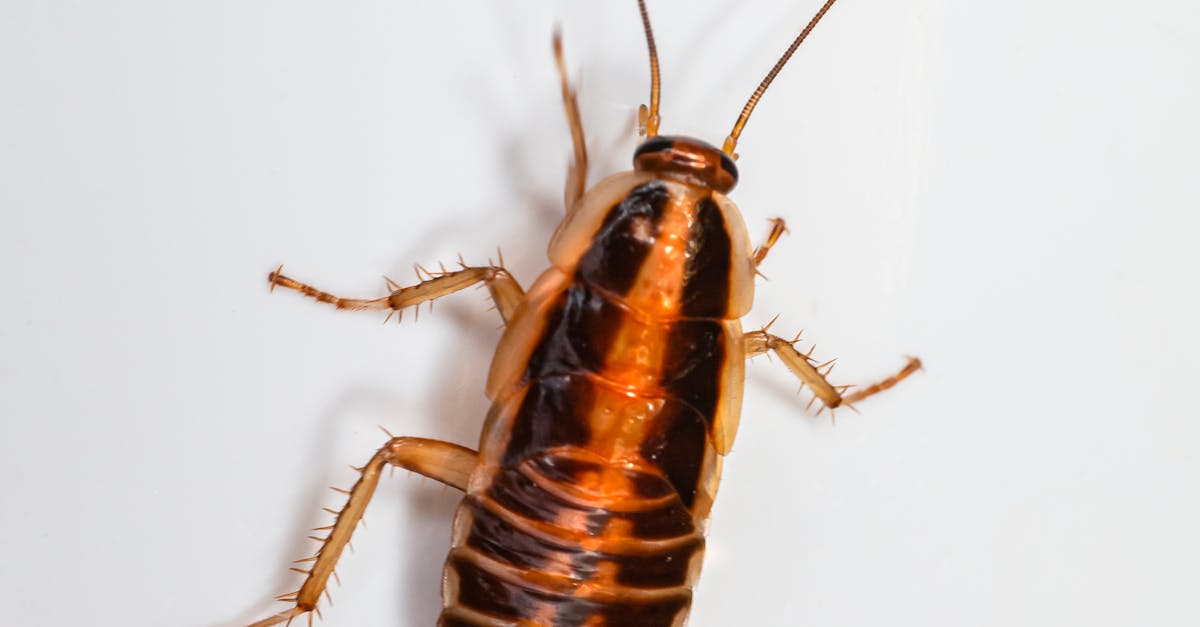
Seasonal Pest Challenges Faced by Food Establishments
Table Of Contents
Weather Conditions and Pest Behaviour
Seasonal changes significantly influence the behaviour and populations of pests. During warmer months, higher temperatures can accelerate the reproductive cycles of insects, leading to a surge in their numbers. Rainfall also plays a crucial role, as it creates ideal breeding conditions for many pest species. For instance, the presence of standing water can attract mosquitoes, while damp environments may encourage cockroaches and other moisture-loving pests to thrive.
Colder months often drive pests indoors in search of warmth and food. As temperatures drop, rodents seek shelter within buildings, increasing the likelihood of infestations. This seasonal migration highlights the need for food establishments to be vigilant and proactive. Understanding these patterns is vital for developing effective pest management strategies that can adapt to changing weather conditions.
How Temperature Affects Pest Populations
Temperature plays a crucial role in the lifecycle and behaviour of various pest species. Warmer conditions typically accelerate the reproduction rates of insects, leading to population booms during summer months. Additionally, certain pests may thrive in specific temperature ranges, making food establishments more susceptible to infestations as the weather warms. Conversely, cooler temperatures can hinder pest activity, causing some species to enter a dormant phase, resulting in a temporary decrease in their numbers.
Fluctuations in temperature throughout the year can also influence the migration patterns of pests seeking favourable environments. For example, as chilly autumn temperatures set in, some pests may move indoors, searching for warmth and food sources. This shift highlights the critical need for food establishments to be vigilant year-round, adjusting their pest management strategies according to seasonal temperature changes. Understanding these patterns can help in implementing effective preventative measures to protect both inventory and customers.
Health Risks Associated with Seasonal Pests
Seasonal pests can pose significant health risks to both customers and staff in food establishments. Rodents and insects like cockroaches and flies are notorious for carrying harmful bacteria and pathogens. These pests can contaminate food surfaces, utensils, and stored products, leading to foodborne illnesses. The presence of these pests can undermine customer trust and damage the reputation of a business, leading to potential financial losses.
Furthermore, pests can exacerbate allergies and trigger asthma in sensitive individuals. The droppings, shed skin, and bodies of pests contribute to poor indoor air quality. In a food establishment, maintaining a clean and safe environment is paramount to protecting the health of patrons and staff alike. Effective management strategies are essential to mitigate these risks and ensure compliance with health regulations.
Protecting Customers and Staff
Food establishments must prioritise the safety and well-being of both customers and staff. Seasonal pests pose significant health risks, including the potential transmission of diseases and contamination of food supplies. Regularly assessing the premises for signs of infestations is essential. This vigilance helps in maintaining a hygienic environment, which ultimately fosters customer trust and loyalty.
Effective pest management strategies contribute to a safer dining experience. Implementing comprehensive training for staff on identifying pest activity and understanding prevention techniques is critical. Additionally, utilising integrated pest management practices ensures that reactive measures are in place, preventing potential outbreaks. Upholding these standards not only safeguards public health but also reinforces the establishment's reputation in a competitive market.
The Importance of Regular Inspections
Regular inspections play a crucial role in maintaining a pest-free environment within food establishments. These evaluations help identify any early signs of pest activity. By spotting an infestation before it escalates, businesses can take swift action to mitigate the problem. Inspections also ensure that sanitation measures are being upheld. Keeping surfaces and storage areas clean is essential to discourage pests from taking hold.
Implementing a routine inspection schedule allows for consistent monitoring of potential vulnerabilities. Trained professionals can assess various factors such as entry points, food storage practices, and waste management systems. This proactive approach not only addresses current pest issues but also enhances the establishment’s overall hygiene. Creating a stronger deterrent against future invasions is vital for the safety of both patrons and staff alike.
Scheduling Preventative Maintenance
Regularly scheduled preventative maintenance is essential for food establishments aiming to mitigate the risks posed by seasonal pests. This proactive approach involves assessing and addressing vulnerabilities before they develop into infestations. Establishments should conduct thorough inspections of their premises, focusing on potential entry points, food storage areas, and waste disposal systems. By identifying problem areas, operators can implement strategic measures to deter pests effectively.
In addition to inspections, routine maintenance tasks such as sealing gaps, fixing leaks, and ensuring proper sanitation practices play a critical role in pest management. Establishing a timeline for these activities enables food businesses to stay ahead of the curve, rather than reacting to pest problems once they arise. By fostering a clean and well-maintained environment, establishments can protect their reputation and ensure a safe dining experience for customers and staff alike.
FAQS
What seasonal pests should food establishments be most concerned about?
Food establishments should be particularly vigilant about rodents, cockroaches, flies, and ants, as these pests tend to thrive during specific seasons and can compromise food safety.
How does temperature influence pest populations in food establishments?
Warmer temperatures can accelerate the reproduction and activity levels of pests, leading to increased infestations. For instance, many pests breed more rapidly in summer, making proactive measures essential during warmer months.
What health risks do seasonal pests pose to customers and staff?
Seasonal pests can carry diseases, contaminate food, and trigger allergies. For example, rodents can spread salmonella and hantavirus, while cockroaches can cause asthma and other respiratory issues.
What preventive measures can food establishments take to protect against seasonal pests?
Food establishments can implement regular cleanliness protocols, seal entry points, store food properly, and ensure waste is disposed of promptly. Additionally, educating staff about pest identification and behaviour can help in early detection.
Why are regular inspections crucial for managing seasonal pest challenges?
Regular inspections help identify potential pest issues before they escalate into infestations. This proactive approach allows establishments to address vulnerabilities and maintain a safe dining environment for customers and staff.
Related Links
Integrated Pest Management Solutions for Busy Restaurant EnvironmentsEssential Pest Control Practices for Local Restaurants
Understanding the Role of Hygiene in Pest Prevention for Eateries
Common Pests in Commercial Kitchens and How to Handle Them
Best Practices for Maintaining a Pest-Free Outdoor Dining Area