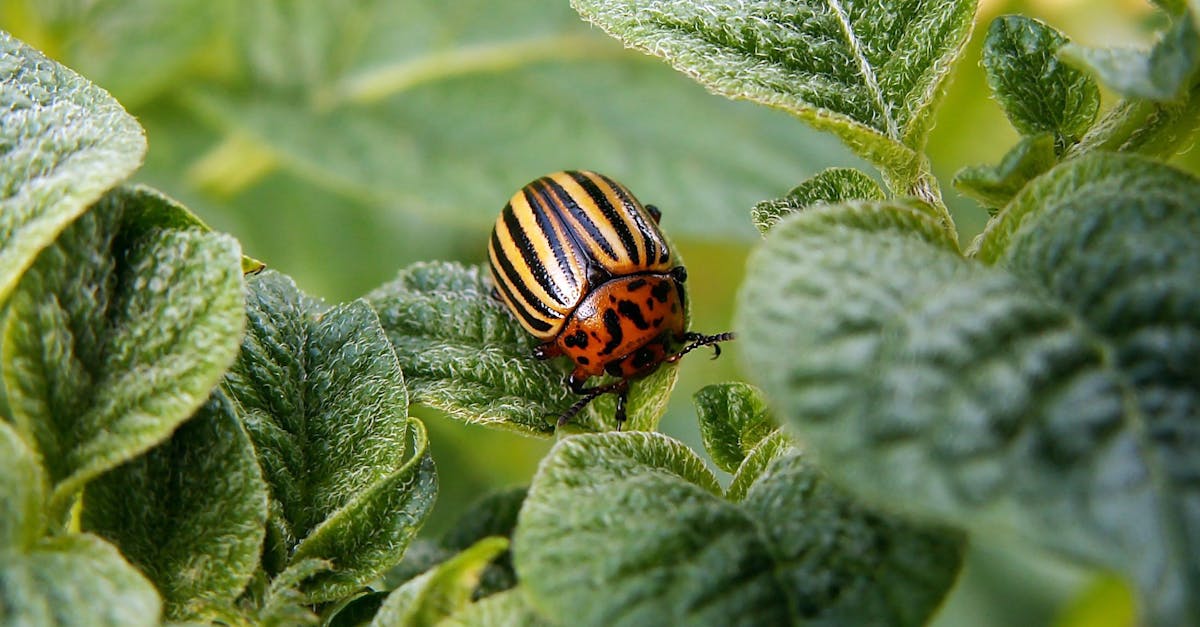
Integrated Pest Management: Balancing Ecology and Pest Control
Table Of Contents
The Role of Education and Training
Education and training play a crucial role in the effective implementation of Integrated Pest Management (IPM) strategies. These programs equip farmers, land managers, and the community with essential knowledge about pest biology, ecology, and the principles of sustainable pest control. By understanding the lifecycle and behaviour of pests, individuals can make informed decisions regarding pest management techniques. This knowledge fosters a proactive approach to managing pest populations while minimising the reliance on chemical pesticides.
Furthermore, training initiatives promote the adoption of best practices tailored to local ecosystems. Workshops and field demonstrations provide hands-on experience, which enhances learning and facilitates the integration of IPM into everyday practices. Encouraging collaboration among stakeholders, such as agricultural extension services, community groups, and researchers, creates a shared responsibility for pest management. This collective effort strengthens the resilience of agricultural systems and promotes environmental sustainability.
Empowering Communities for Effective Management
Community engagement plays a crucial role in the success of integrated pest management (IPM) initiatives. By involving local populations in the planning and implementation of pest control strategies, individuals gain a sense of ownership over their environment. Educational programs that emphasise the importance of sustainable practices can foster a deeper understanding of local ecosystems and pest behaviours. When communities are informed about the benefits of IPM, they are better positioned to make decisions that enhance both agricultural productivity and environmental health.
Training workshops and hands-on demonstrations are effective methods to equip community members with the skills necessary for implementing IPM techniques. These initiatives help to bridge the gap between theoretical knowledge and practical application. Local leaders and organisations can facilitate knowledge sharing, enabling residents to exchange experiences and strategies. This collaborative approach not only strengthens community ties but also builds a collective capacity to address pest challenges while promoting biodiversity and sustainability.
Case Studies of Integrated Pest Management
Examining successful integrated pest management strategies across different industries provides valuable insights into effective practices. In agriculture, a notable case involves the use of biocontrol agents to manage aphid populations in canola crops. Farmers worked alongside research institutions to introduce ladybug larvae, which naturally prey on aphids. This method not only reduced the reliance on chemical pesticides but also enhanced the biodiversity within the farming ecosystem.
In urban settings, local councils have implemented integrated pest management approaches to mitigate mosquito populations. Community engagement is a crucial element, with residents educated on preventative measures such as removing stagnant water. This collaborative effort has led to a notable decrease in mosquito-borne diseases. The focus on community involvement highlights the potential of localised initiatives in achieving long-term pest control results while maintaining ecological balance.
Successful Approaches in Various Industries
Various industries have adopted Integrated Pest Management (IPM) strategies, showcasing effective solutions tailored to their unique environments. In agriculture, farmers use a combination of cultural practices, biological controls, and targeted pesticide applications. This careful balance reduces pest populations while minimising harm to beneficial insects. For example, several orchard managers have successfully implemented companion planting to deter pests and promote pollinator health.
The hospitality sector has also embraced IPM by utilising preventive measures to manage pests in a sustainable way. Hotels and restaurants invest in regular inspections and cleaning protocols, significantly lowering the risk of infestations. In particular, pest exclusion techniques, such as sealing entry points, have proven effective in reducing occurrences of common pests like rodents and cockroaches. These proactive approaches not only ensure a cleaner environment but also enhance customer satisfaction and uphold the establishment’s reputation.
Challenges in Implementing Integrated Pest Management
The implementation of Integrated Pest Management (IPM) often meets with significant challenges. One major issue is the lack of awareness and understanding among stakeholders regarding IPM principles and practices. Farmers, in particular, may be resistant to adopting new methods that differ from traditional chemical-based pest control strategies. Additionally, the initial costs associated with transitioning to IPM can be a barrier, as some growers may perceive it as an investment rather than a long-term cost-saving method.
Another challenge lies in the variability of local ecosystems. Pest populations can differ greatly based on environmental conditions, making it difficult to apply a one-size-fits-all approach to management. This variability often requires tailored solutions, which can increase complexity and demand for resources such as research and training. Regulatory hurdles can further complicate the implementation of IPM, particularly when laws do not accommodate innovative practices that diverge from conventional pest control methodologies.
Overcoming Barriers to Adoption
Resistance to adopting integrated pest management practices often stems from a lack of awareness and understanding among stakeholders. Many farmers and agricultural workers have been traditionally educated in conventional pest control methods. This reliance on chemical treatments can hinder openness to alternative approaches. Educational programmes focusing on the benefits of integrated pest management could create shifts in mindset. Providing practical training that highlights cost-effectiveness and sustainability may further encourage adoption.
Financial constraints also pose significant challenges. Initial investment in integrated pest management strategies can be perceived as daunting, particularly for small-scale farmers. Availability of funding options or subsidies for the transition to integrated practices can alleviate some of these concerns. Collaboration with local agricultural organisations can facilitate access to resources and support. Promoting success stories through community networks could foster a sense of trust and inspire others to explore integrated strategies.
FAQS
What is Integrated Pest Management (IPM)?
Integrated Pest Management (IPM) is a holistic approach to pest control that combines various management strategies and practices to minimise the impact of pests while considering ecological health, economic viability, and social responsibility.
How does education play a role in Integrated Pest Management?
Education is crucial in IPM as it empowers individuals and communities with the knowledge and skills needed to identify pests accurately, understand their life cycles, and implement appropriate management strategies effectively.
What are some successful case studies of Integrated Pest Management?
Several industries, such as agriculture and public health, have successfully implemented IPM strategies. For instance, farmers have used biological control methods and crop rotation to manage pests while reducing chemical pesticide use, leading to healthier ecosystems and increased crop yields.
What challenges are associated with implementing Integrated Pest Management?
Challenges include a lack of awareness or understanding among stakeholders, resistance from traditional pest control practices, limited resources, and difficulties in monitoring and evaluating pest populations.
How can barriers to adopting Integrated Pest Management be overcome?
Overcoming barriers can be achieved through comprehensive training programs, community engagement initiatives, collaboration among stakeholders, and providing access to resources and support systems that promote IPM practices.
Related Links
Common Mistakes in Integrated Pest Management and How to Avoid ThemImplementing Integrated Pest Management in Urban Settings
The Future of Integrated Pest Management in Sustainable Agriculture
Customising Integrated Pest Management Plans for Eco-Conscious Homes
Case Studies: Successful Integrated Pest Management in Central Coast
The Role of Natural Predators in Integrated Pest Management
Evaluating the Effectiveness of Integrated Pest Management Strategies