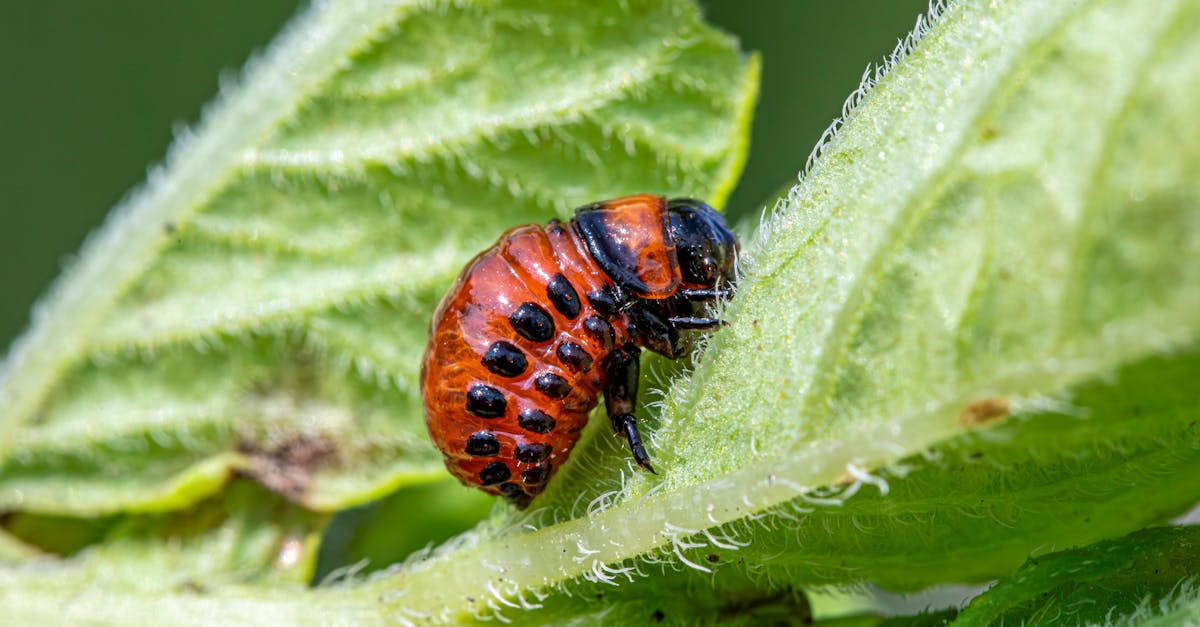
How to Effectively Monitor Pests with Organic Solutions
Table Of Contents
Using Traps and Baits
Employing traps and baits is a proactive approach to managing pests in an organic manner. Various types of traps are available, including sticky traps, pheromone traps, and bait stations. Sticky traps work by capturing insects on a sticky surface, making them useful for monitoring flying pests. Pheromone traps attract specific species using scent cues, while bait stations can be filled with natural, non-toxic substances that lure pests away from plants and minimise damage.
When selecting traps and baits, consider the specific pest you are dealing with and the environment in which you are operating. Placement is crucial for effectiveness; traps should be positioned in areas with visible pest activity or near entry points. Regular checking of these devices is necessary to ensure that they are functioning correctly and to assess pest populations over time. This not only aids in identifying trends but also helps in adjusting management strategies to enhance the overall effectiveness of your pest control efforts.
Types of Organic Traps Available
There are various organic traps available that cater to different types of pests. Sticky traps are a popular choice, designed to capture flying insects like aphids and whiteflies. These traps consist of a coated adhesive surface that lures insects towards it, making it easy to monitor pest populations without the use of chemicals.
Another effective option is the pheromone trap, which utilises the natural scents produced by certain pests to attract them. These traps are particularly useful for managing moths and beetles, as they mimic the sex pheromones that insects release to attract mates. By placing these traps in strategic locations, gardeners can effectively reduce the presence of these pests while adhering to organic gardening principles.
Regular Inspections and Observations
Consistent inspections are crucial in identifying pest issues before they escalate. Regularly checking plants and surrounding areas helps in spotting early signs of infestations. Look for discolouration, damage to foliage, or the presence of droppings, which may indicate pest activity. Observing plant health and growth patterns can also provide insights into potential problems. This proactive approach aids in maintaining a healthy ecosystem and ensures that interventions can be applied promptly.
Observations should be scheduled at specific intervals, depending on the type of plants and local climate conditions. During these checks, it's essential to engage all senses, noticing not only visual cues but also any changes in texture or smell. Taking notes during inspections will help track changes over time. Creating a routine that incorporates both visual inspections and sensory observations will enhance the ability to detect issues early, allowing for effective management before pests become a significant threat.
How to Conduct Thorough Inspections
Effective inspections require a systematic approach to thoroughly evaluate the environment for pests. Begin by identifying areas with potential infestations, such as under furniture, within cabinets, or around entry points. Use a flashlight to carefully examine these locations, paying special attention to small crevices where pests may hide. Checking for droppings, shed skins, or signs of damage will help in identifying the specific type of pest present.
A comprehensive inspection should not be a one-time effort. Regularly scheduling these checks allows for early identification of pest populations and helps in assessing the effectiveness of any organic solutions being used. Documenting findings during inspections is crucial. Keeping detailed records aids in monitoring changes over time, thereby guiding future pest management strategies. This proactive approach makes it easier to identify patterns in pest behaviour and assess the impact of organic interventions.
Tracking Pest Populations
Monitoring pest populations is essential for gauging the effectiveness of your organic strategies. Implementing a systematic approach allows you to identify trends, assess the severity of infestations, and make informed decisions about interventions. Regular observations can reveal patterns that indicate when pest levels may rise, helping you to act swiftly before the situation escalates.
Keeping a pest monitoring log serves as an invaluable resource. Record the types of pests encountered, their numbers, and any treatments applied. This ongoing documentation aids in understanding seasonal fluctuations and the success rate of various tactics over time. By maintaining detailed records, you will improve your overall pest management strategy and contribute to healthier, more sustainable gardening practices.
Maintaining a Pest Monitoring Log
Keeping a detailed record of pest activity is essential for effective organic pest management. A monitoring log allows you to track the timing, type, and severity of infestations over time. Regular entries should include the date of observation, pest species identified, and any signs of damage or environmental conditions affecting pest behaviour. This information aids in recognising patterns, contributing to a better understanding of the pest lifecycle and their impact on your garden or crops.
In addition to documenting observations, utilise the log to note the strategies implemented and their outcomes. This way, you can evaluate the effectiveness of various organic solutions and make informed decisions for future actions. Recording not only keeps a historical reference but also helps in communicating findings with others who may be involved in pest management. Maintaining consistent records fosters a proactive approach to pest control and supports the health of your plants.
FAQS
What are some common organic traps I can use for pest monitoring?
Common organic traps include sticky traps, pheromone traps, and bait traps that use natural ingredients to attract pests without harmful chemicals.
How often should I conduct inspections for pest monitoring?
It’s recommended to conduct thorough inspections at least once a week, or more frequently if you suspect a pest issue, to catch problems early.
What should I include in a pest monitoring log?
A pest monitoring log should include details such as the date of observations, types of pests identified, their populations, locations of sightings, and any actions taken.
How can I ensure I’m conducting thorough inspections?
To ensure thorough inspections, check all potential pest habitats, look under furniture and appliances, examine plants closely, and be mindful of entry points like windows and doors.
Are organic solutions really effective for pest management?
Yes, organic solutions can be effective for pest management when used correctly, as they often promote a balanced ecosystem and reduce reliance on synthetic chemicals.
Related Links
Common Misconceptions About Organic Pest ControlComparing Organic Pest Control and Traditional Methods
Guidelines for Transitioning to Organic Pest Control Methods
The Role of Beneficial Insects in Organic Pest Management
Case Studies: Successful Organic Pest Control in Residential Areas